IB Primary Years Programme (PYP)
Laying the Foundation for Confident, Caring, and Independent Thinkers

IB Primary Years Programme Overview
What is the IB Primary Years Programme (PYP)?
The International Baccalaureate Primary Years Programme (IB PYP) at Hiranandani Upscale School is a complete and inquiry-based curriculum for students ages 6 to 11 (Class 1 to 5). It is based on global perspectives and focuses on fostering curiosity, critical thinking, and personal growth through real-world, student-driven learning.
At HUS, the IB Primary Years Programme gives young learners a strong academic and emotional foundation, helping them become confident, caring, and responsible global citizens.


Key Highlights of the IB Primary Years Programme

Inquiry-Based Learning
Classrooms here run on curiosity. Children are encouraged to ask questions, dig into ideas, and discover things for themselves.

Learner-Centred Approach
Every child has a voice, and we make sure it's heard. Their interests and choices genuinely shape how the day unfolds.

Creative Expression
Art, music, dance and drama aren't side activities; they're built into learning and help children grow both intellectually and emotionally.

Nature & Outdoor Learning
Plenty of learning happens outdoors too, from tending the garden to nature walks and open-air exploration.

Global Mindset
Through shared values, cultures and perspectives, children grow into genuinely internationally minded people.
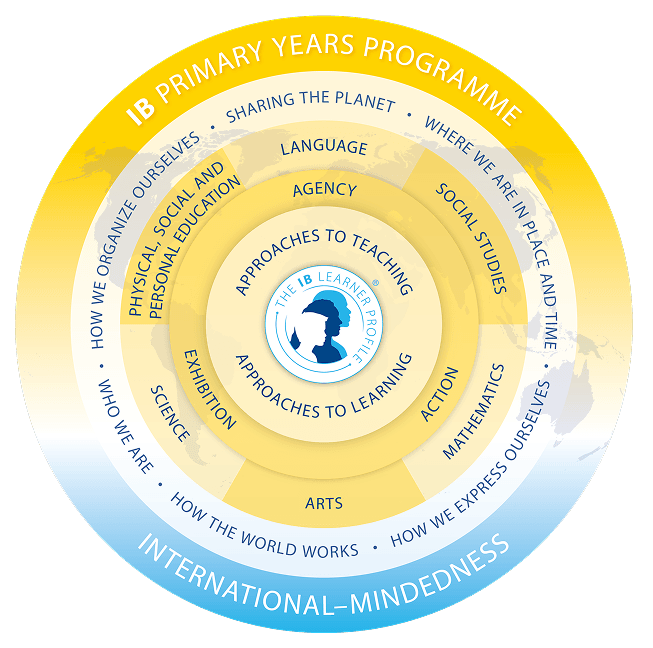
Six Transdisciplinary Themes in the IB Primary Years Programme
At HUS, learning does not happen in separate boxes. The IB PYP brings together mathematics, science, language, the arts and more under six broad themes, ones that connect directly to things children actually think about and experience
1. Who We Are Identity? relationships, health and what it means to be human.
2. Where We Are in Place and Time? Personal history, human migration and how the past continues to shape what we see around us today.
3. How We Express Ourselves? Art, language, culture and all the ways people share what they think, feel and believe.
4. How the World Works? The natural world, scientific principles and the role technology plays in everyday life.
5. How We Organise Ourselves? Communities, systems, economies and the structures people have built to live and work together.
6. Sharing the Planet Rights, responsibilities, the environment and what it looks like to treat others and the world fairly.
Across these six themes, students at HUS get to sit with questions that actually matter. What does it mean to be human? How have the places and events before us shaped who we are now? How do people across the world express what they believe? What forces shape the natural world around us? Why do communities organise themselves the way they do? And what do we owe to each other and to the planet? These are not abstract topics. At HUS, they form the backbone of how children learn to think.
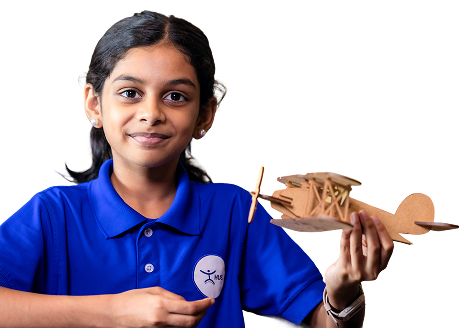
Why Choose IB Primary Years Programme (PYP)?
The International Baccalaureate Primary Years Programme (IB PYP) lays a strong foundation for young learners through a well-rounded and engaging educational framework that nurtures their holistic growth.
Who is the IB PYP for?
Built for 6–11 years old who are curious about the world and want to understand it better.
A great fit for children who love asking questions and spotting connections between ideas across subjects.
Suited to young people who care about the wider world, respect other cultures, and want to make a difference through Service in Action.
Right for students who enjoy a challenge, like setting their own goals, and take real pride in how they learn.
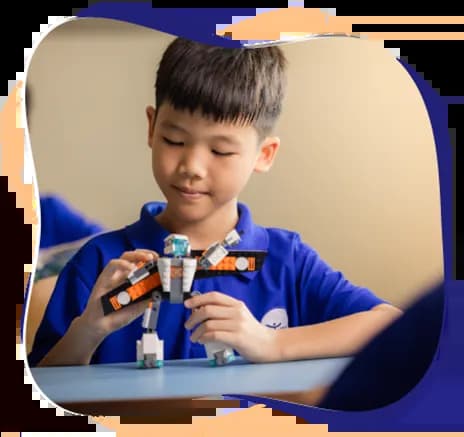

IB PYP Curriculum & Learning Approach
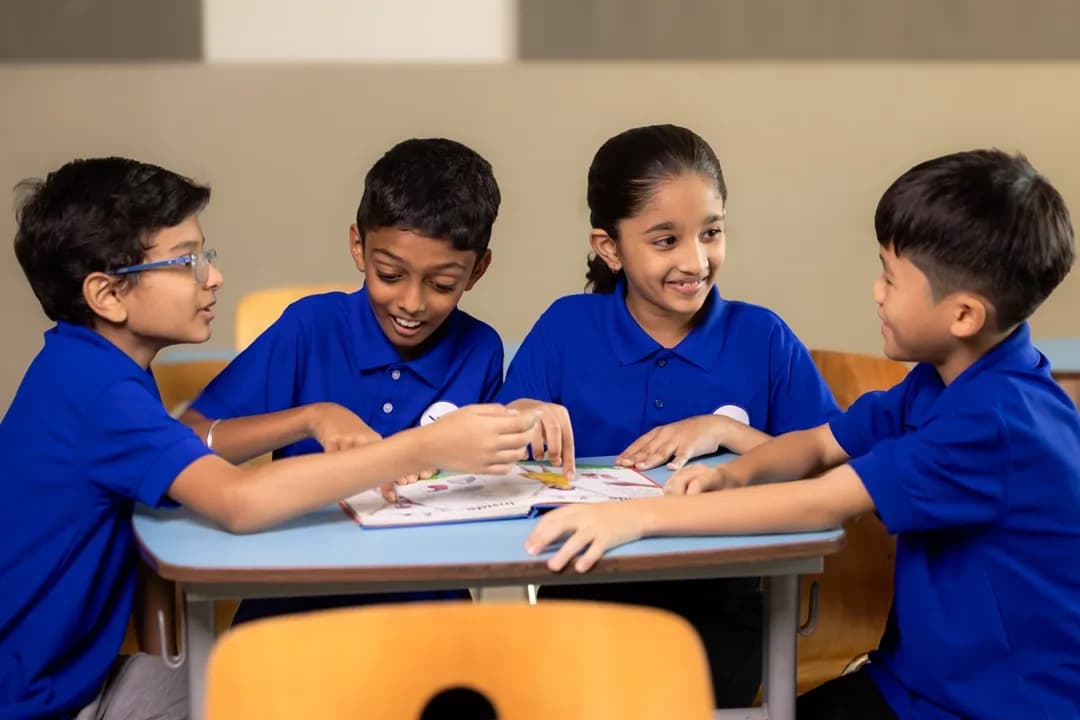
Transdisciplinary Learning
The International Baccalaureate Primary Years Programme encourages students to make real-world connections across subjects, enabling them to think critically, explore deeply, and respond thoughtfully.
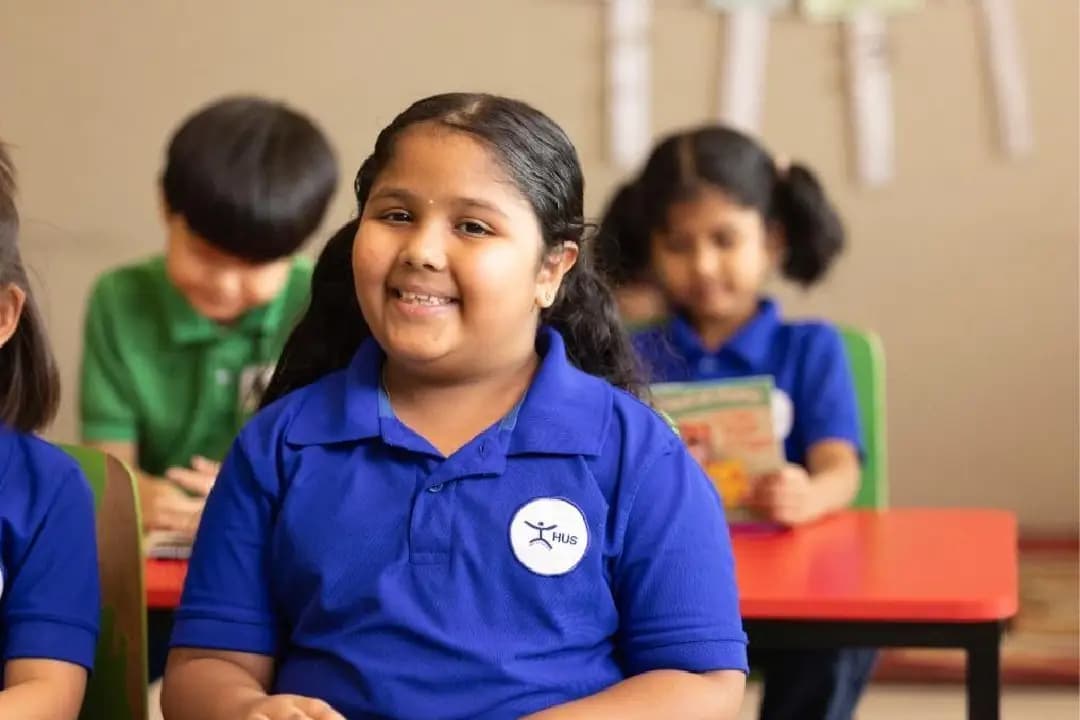
Inquiry-Driven Classrooms
Rooted in curiosity, the IB Primary Years Programme fosters an inquiry-based approach where students actively question, investigate, and co-construct knowledge with teachers.
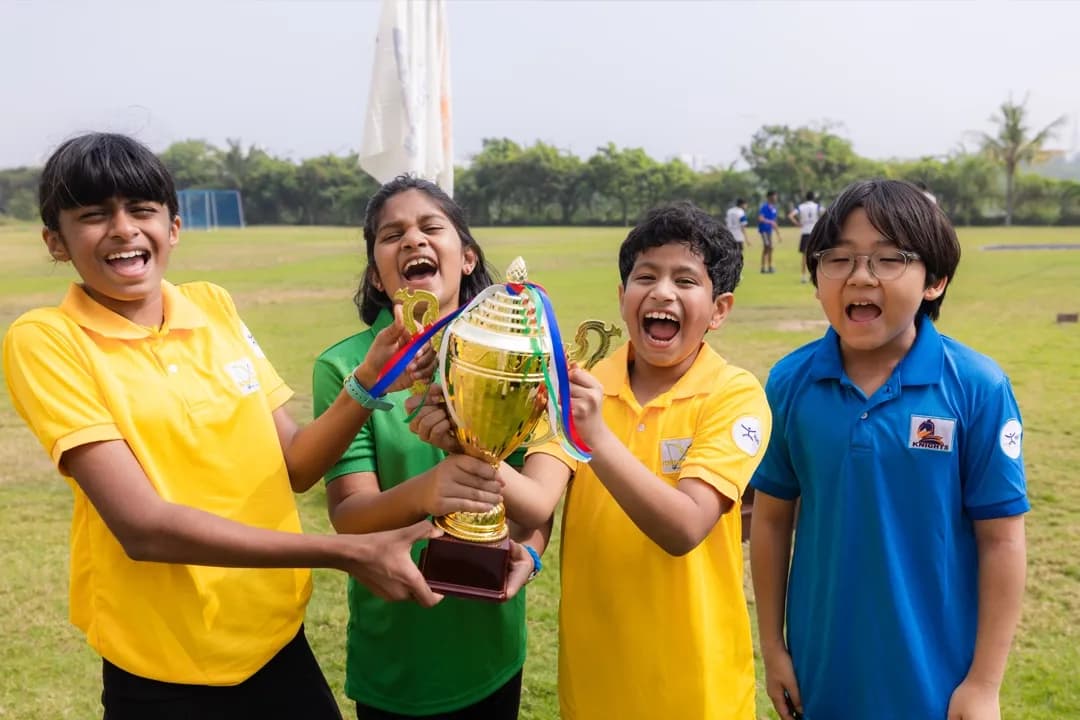
Getting Ready for a Global Future
The IB Primary Years Programme (PYP) helps children become open-minded and caring, the kind of people who understand and respect other points of view and are ready to make a difference in a connected world.
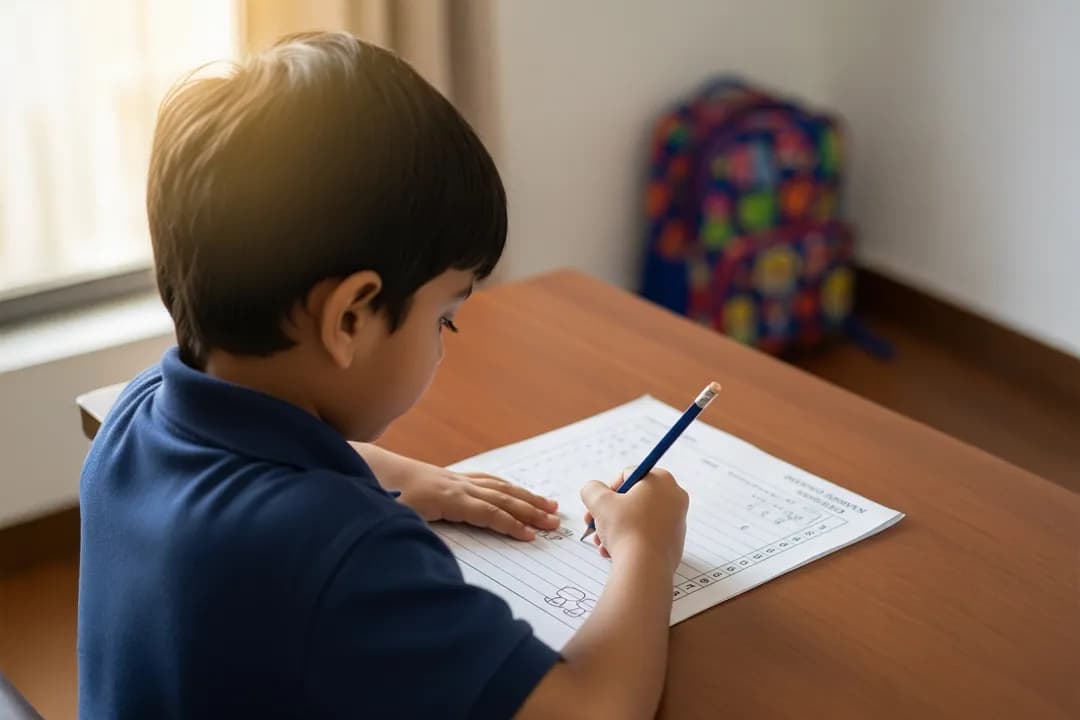
Ongoing Assessment
Continuous and reflective assessments in the IB Primary Years Programme are designed to capture student progress meaningfully, celebrating growth over time.
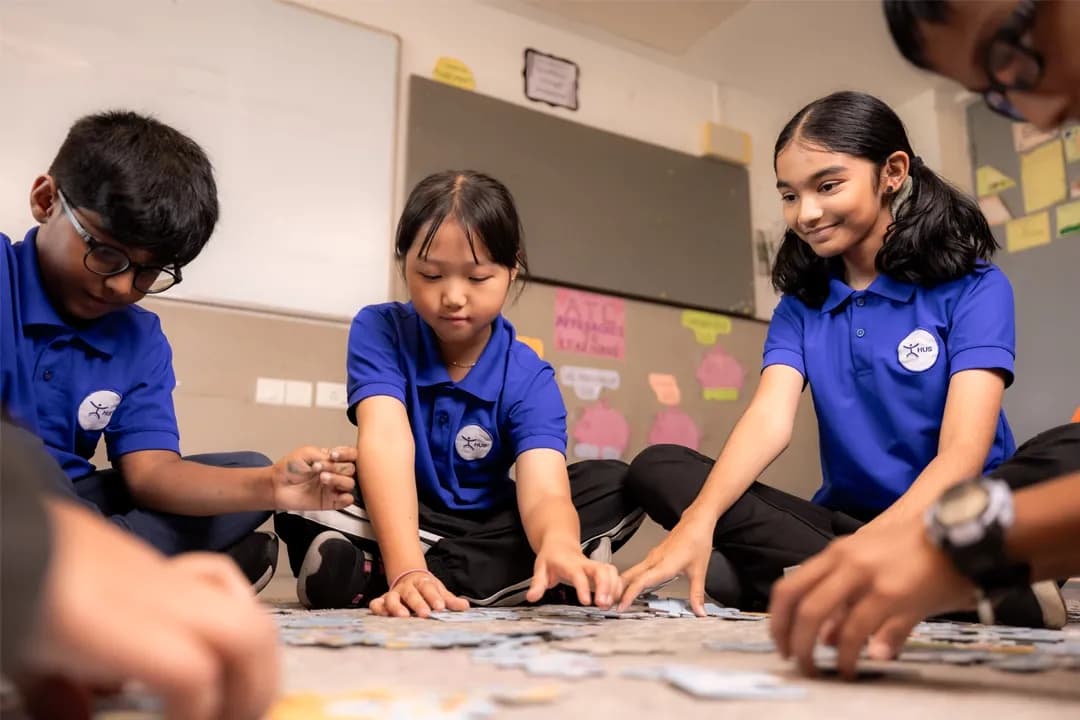
Technology-Integrated Classrooms
Digital tools are thoughtfully woven into the curriculum to enhance engagement, creativity, and future-ready skills among young learners.
IB PYP Subjects
| Core Subjects | Languages | The Arts | Movement |
|---|---|---|---|
| English | Hindi | Drama | Physical Education |
| Mathematics | Spanish | Music | Dance |
| Unit of Inquiry (Science & Social Science) | French | Visual Art | |
| Tamil |
Shaping the IB Learner Profile at HUS
At our IB Primary Years Programme, we help children grow into internationally minded people, curious, kind, and ready to make a difference. Ten attributes, together known as the IB Learner Profile, guide them through their learning and everyday lives.

Inquirers
We keep curiosity alive and build a genuine love of learning.
In the classroom: Children ask questions, look things up, and follow the topics that pull them in.
Real-life connection: A child curious about why plants need sunlight might test it out, watch what happens, and share what they found, a lifelong learning habit forming early.

Knowledgeable
We build understanding across a wide range of subjects and issues.
In the classroom: Children link ideas from different subjects to make better sense of them.
Real-life connection: Studying water conservation, a child starts to grasp the bigger environmental picture and comes home with ideas for using less water.

Thinkers
We use critical and creative thinking to work through problems.
In the classroom: Children weigh up situations, test ideas, and look for solutions.
Real-life connection: During a STEM bridge challenge, they try one design, see where it fails, and rebuild it better.

Communicators
We express ourselves confidently, in many forms, and listen to others with respect.
In the classroom: Children share ideas through speaking, writing, art, drama and digital media.
Real-life connection: Presenting their work to parents and classmates, children learn to get a point across clearly and kindly.

Principled
We act with honesty, integrity and fairness.
In the classroom: Students own their actions and make ethical choices.
Real-life connection: A child owns up to a mistake during group work and pitches in to put it right.

Open-minded
We appreciate different perspectives, cultures, and experiences.
In the classroom: Students explore diverse viewpoints and traditions from around the world.
Real-life connection: Students learn about celebrations from different cultures and respect the beliefs and customs of others.

Caring
We show empathy, compassion, and respect for others.
In the classroom: Children look out for classmates and join in acts of kindness.
Real-life connection: Whether it's a community service project or simply helping a friend who's struggling, they learn to act on that care.

Risk-takers
We approach challenges with courage and resilience.
In the classroom: Children try new approaches, speak up, and learn from what doesn't work.
Real-life connection: A child nervous about public speaking puts their hand up to present at assembly, and walks away more confident.

Balanced
We understand why balance matters across the different parts of life.
In the classroom: Children learn to juggle academics, activity, creativity and wellbeing.
Real-life connection: They start to see why healthy routines, exercise, rest and good relationships all matter.

Reflective
We think carefully about our learning and experiences.
In the classroom: Children look honestly at their strengths, their struggles, and what comes next.
Real-life connection: After finishing a project, a child can say what went well and what they'd do differently next time.
Approaches to Learning (ATL) Skills
Approaches to learning (ATL) are an integral part of IB PYP, it develops essential skills that help students succeed both in school and in life.
Thinking Skills
Students learn to ask the right questions, gather information, and judge how reliable a source really is.
Real-life connection: Helping plan a family outing, a child can weigh the options, keep an eye on the budget, and make a sensible call.
Research Skills
Students learn how to ask questions, gather information, and evaluate sources.
Real-life connection: Before trying something new, or even picking a product, they know how to find information they can trust.
Communication Skills
Children learn to say what they mean clearly, and to genuinely listen when it's someone else's turn.
Real-life connection: Good communication is what lets them work with classmates, join discussions, and build solid relationships.
Social Skills
Through working together, children pick up cooperation, teamwork, sorting out disagreements, and respect for others.
Real-life connection: On the sports field, at community events or in a group project, they learn what it actually takes to work well with others.
Self-Management Skills
Children learn to stay organised, take responsibility, bounce back, and manage their time.
Real-life connection: It's what helps them keep to a schedule, get things done on their own, set goals, and look after healthy habits.
Admission Process for IB Primary Years Programme (Batch 2026–27)
HUS welcomes families from every background, and joining the IB Primary Years Programme is kept open and straightforward. Mid-year admissions are looked at case by case.
Testimonials

At HUS my son seems to enjoy the method in which even complex topics have been taught and I feel at a foundation level, it is very important for the teachers to tap into their energies and ...



At HUS, my daughters are not only learning academically but also growing as confident and expressive individuals. The school provides numerous platforms for students to explore their talents...
Most Read
Related Blogs
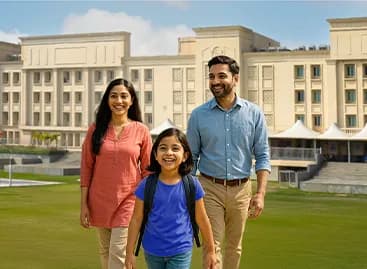

July 22, 2025
Why Parents are Choosing IB Schools for their Children
In today’s dynamic world, success depends on real-world skills that help children adapt, think critically, and lead with confidence. This is why many parents are choosing the IB board for its focus on developing lifelong competencies like analytical thinking, intercultural awareness, communication, and collaboration.
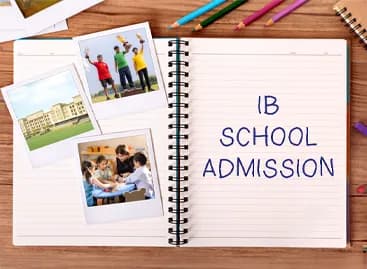
September 3, 2025
IB School Admissions: A Step-by-Step Guide for Parents and Students
Every parent dreams of unlocking a world of innumerable opportunities for their child’s education that goes beyond the basics, instills self-confidence, sparks curiosity, and nurtures the skills needed to thrive on a global stage.
June 19, 2025
Benefits of the IB Program: What Opportunities Await
In the bustling OMR area of Chennai, Hiranandani Upscale School offers an all-around education. HUS is located adjacent to the serene Muttukadu Lake and views the Bay of Bengal.
Frequently Asked Questions
The International Baccalaureate (IB) Primary Years Programme stands out for its inquiry-based, transdisciplinary approach that nurtures critical thinking, creativity, and real-world connections from an early age.
The International Baccalaureate IB Primary Years Programme at HUS is designed for students aged 6 to 10 years, aligning with the developmental needs of early and primary education.
Yes, the International Baccalaureate Primary Years Programme is globally recognised and respected, forming part of the internationally authorised IB continuum.
Admissions to the IB PYP at HUS typically open ahead of the academic year, and applications can be submitted online through the school’s admissions portal.
The PYP teaching approach fosters the skills, mindset, and curiosity necessary for success in the IBDP curriculum and subsequent IB Diploma courses, thereby promoting inquiry-based, transdisciplinary learning that provides a solid basis for the IB Diploma Programme.
Parental involvement at HUS doesn't end at report time; it goes on all year. The school lets parents know what their child is working on, and there are regular times when parents can talk to teachers and see their child's growth for themselves.
Children who come through the PYP at HUS already know how to ask good questions, work through problems and take ownership of their learning. When they step into the Middle Years Programme, those habits are already in place. The move between programmes feels steady rather than abrupt.
Students at HUS have access to visual arts, music, dance, drama and outdoor learning as part of school life. These are not extras slotted in after academics. Sports and outdoor learning are also part of campus life, giving children space to explore interests and grow beyond academics.
Enquire Now
You can learn more about the IB PYP programme—its educational framework, teaching approach, learner profile, and key objectives, by visiting: www.ibo.org
International Baccalaureate Primary Years Programme at HUS: How It's Taught
The International Baccalaureate Primary Years Programme at HUS is taught through six subject areas that come together within transdisciplinary themes. Children in Classes 1 to 5 do not sit through six separate subject periods each day. Instead, one unit might bring language, maths, and social studies around a single big question. This is how the IB PYP is meant to work.
Our PYP teachers plan each unit around a central idea. The children then take that idea and explore it for four to six weeks. By the end of each unit, every child has made something, written something, or presented something that shows what they figured out.
For families new to PYP, this style of teaching takes about a term to settle into. By the end of Class 1, most children stop asking what the right answer is and start asking how did you figure that out.
IB PYP Subjects at HUS Chennai: What Each Subject Area Covers
The IB PYP subjects at HUS cover six areas that map to the official PYP framework. Here is what each area looks like in practice.
Language
Reading, writing, speaking, and listening in English plus structured exposure to a second language from Class 1. Daily reading is the foundation of our IB PYP subjects work.
Mathematics
Number, measurement, shape, and data work through hands-on activities. We use base-ten blocks, pattern tiles, and measuring tools rather than worksheet drills.
Science and Technology
Children explore living things, materials, forces, the earth, and digital tools through guided observation. Class 4 and 5 students take on small research projects within the IB PYP subjects framework.
Social Studies
The world around the child: community, culture, geography, and history through age-appropriate inquiry. Field exposure to local Chennai sites supports certain units.
Arts
Visual arts, music, and drama every week. Each child keeps a sketchbook from Class 1 and builds a personal portfolio across the five years.
Personal, Social and Physical Education
Movement, fitness, social skills, and emotional learning sit together. Daily PE plus wellbeing sessions are part of the timetable, drawing on the wider HUS sports and co-curriculars set that includes Football, Cricket, Basketball, Table Tennis, and Athletics.
Together, these IB PYP subjects do not sit in silos. A single inquiry unit will usually pull from three or four of them at once.
PYP in Chennai: Why HUS Parents Pick Us
Families looking at PYP options in Chennai usually compare schools on three things: class size, how inquiry is actually taught, and whether outdoor and play time is real or just on the website.
1. Class size
Our PYP sections are capped at 20 students per class. With inquiry-based teaching, the teacher has to track each child against multiple skills, so smaller class size matters.
2. Teacher training
All our class teachers are PYP-trained, and we run internal professional development every term. Inquiry teaching needs ongoing learning.
3. Outdoor and play time
The HUS campus sits within a gated community on OMR, next to Muttukadu Lake. Classes 1 to 5 spend part of each school day outdoors, weather permitting.
4. Pathway choice
Some Chennai families continue at HUS through MYP and DP. Others move to a different board at Class 6. Both paths work fine. For families considering PYP in Chennai, these four factors decide most of the experience.
From the IB Early Years Programme to PYP at HUS
Students who complete our IB Early Years Programme step into PYP Class 1 with a clear head start. They already know how inquiry works, how to ask their own questions, and how to share findings with the group.
For children joining from other preschools or kindergartens, the first weeks of Class 1 include a settling-in period with extra support. Reading level and comfort with group work are the two things we watch most closely in the first month.
Children joining mid-PYP (in Class 2, 3, or 4) come in after a short interaction with the homeroom teacher. For a fuller walkthrough of the International Baccalaureate Primary Years Programme framework itself, see our comprehensive guide to IB PYP.
How PYP Students Move Forward into the Middle Years at HUS
The Class 5 PYP exhibition is the bridge between primary and the next stage at HUS. Every Class 5 student picks a question or issue they care about, researches it over several weeks, and presents what they learned to families, teachers, and younger students.
For families continuing within the IB pathway at HUS, the move into our IB Middle Years Programme at Grade 6 is straightforward. The MYP framework builds on the inquiry skills that PYP students have already developed.
For families switching to a different board after Class 5, the PYP exhibition still works as a strong finish to primary school. Families ready to begin the application can write to admissions@huschennai.in or follow the HUS admission process.
The Six Transdisciplinary Themes Children Explore Across PYP
PYP at HUS is organised around six transdisciplinary themes. Each theme runs as a unit of inquiry for four to six weeks. Children move through all six themes each year, with the depth changing as they grow.
Who we are
An inquiry into the nature of the self, beliefs and values, family, friends, communities, and cultures. This theme often opens the year because it helps the class get to know each other.
Where we are in place and time
An inquiry into orientation in place and time, personal histories, homes, journeys, and the discoveries that have shaped humanity. Class 4 and 5 students often build timelines as part of this theme.
How we express ourselves
An inquiry into the ways we discover and express ideas, feelings, nature, culture, and beliefs. Arts integration is strong in this theme.
How the world works
An inquiry into the natural world and its laws, the interaction between the natural and human-made worlds, and the impact of scientific and technological advances. Most of the year's science work fits here.
How we organise ourselves
An inquiry into the interconnectedness of human-made systems and communities, the structure and function of organisations, and economic activities. This is where children first meet basic economics in age-appropriate ways.
Sharing the planet
An inquiry into rights and responsibilities, peace and conflict resolution, the world's communities and resources, and access to opportunity. The Class 5 PYP exhibition often draws from this theme.
Approaches to Learning at HUS PYP
Beyond the IB PYP subjects themselves, every child at HUS develops five sets of skills called Approaches to Learning. These skills run through every unit and every subject.
- Thinking skills, analysing, evaluating, and creating across subject areas
- Communication skills, listening, speaking, reading, writing, and presenting
- Social skills, collaboration, conflict resolution, and respecting different views
- Self-management skills, organising time, and looking after personal wellbeing
- Research skills, formulating questions, gathering information, and recording findings
By Class 5, most students at HUS can plan a small research project, work in a group on it for two to three weeks, and present findings to younger classes. These skills carry forward into MYP and beyond.
The Class 5 PYP Exhibition: Final Step in Primary at HUS
The exhibition is how every Class 5 student wraps up their PYP journey at HUS. Each student (or small group) chooses a real-world issue they care about, water conservation, recycling, mental health awareness, road safety, food waste, or something else they noticed in their community.
Over six to eight weeks, the student researches the issue, plans an action, takes that action in some form (a campaign, a fundraiser, a poster series, a presentation), and reflects on what changed.
The final exhibition is held over one or two days at the campus. Parents are invited. Younger PYP classes attend in groups. Class 5 students set up stalls with their findings, run short presentations, and answer questions from visitors.
The skills the exhibition tests, independent research, planning, action, reflection, are the same skills students will use in MYP Service as Action and in the MYP Personal Project. Students who complete the exhibition step into Grade 6 already comfortable with sustained independent work.