A Day in the Life of an IB Student at HUS Chennai

July 5, 2026
Table Of Contents
Life on the HUS Campus: A Day in the Life of an IB Student in Chennai
A day in the life of an IB student at Hiranandani Upscale School (HUS) blends rigorous academics, creative inquiry, and community engagement on a campus beside Muttukadu Lake on OMR. Recognised among the best international schools in Chennai, HUS delivers the full IB continuum — EYP, PYP curriculum, MYP, and the IB Diploma Programme — across four authorised IB programmes, supported by small class sizes and world-class facilities.
What does a typical day for an IB student look like?
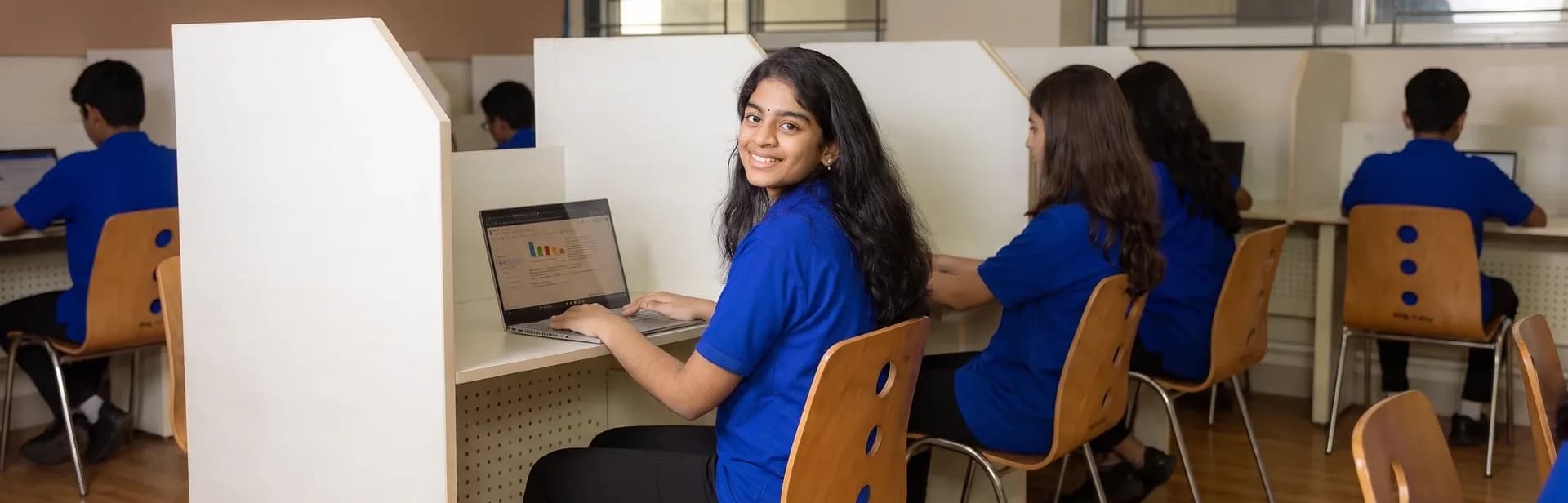
A day in the life of an IB student at HUS Chennai begins with morning assembly, followed by subject blocks structured around inquiry-based learning. Diploma Programme learners move between Group 1 to Group 6 subjects, Theory of Knowledge sessions, and dedicated study time. Younger students in the PYP curriculum explore transdisciplinary units of inquiry, while MYP students engage in interdisciplinary projects.
How many hours does an IB student study every day?
At HUS, an IB school in Chennai, the academic day spans roughly seven hours of structured learning. Diploma Programme students typically add two to three hours of independent study at home, covering Internal Assessments, Extended Essay drafts, and subject revision. Younger learners focus on classroom inquiry without heavy homework loads.
What time does an IB school day start and end?
The HUS campus opens early each morning, with classes commencing around 8:00 AM and concluding by mid-afternoon. Co-curricular activities, sports, and CAS engagements extend the day for older students. This balanced schedule enables IB Diploma students to effectively manage academic rigour while actively participating in sports, creative pursuits, and personal development opportunities, reflecting the holistic learning approach at one of the best international schools in Chennai.
Is the IB workload really as heavy as people say?
The international baccalaureate diploma programme is academically demanding, but HUS structures the workload to build resilience rather than overwhelm. Small class sizes — capped at 25 in MYP and DP allow teachers to scaffold learning. The PYP curriculum and EYP foundation prepare students gradually, so by the time learners reach the IB diploma, independent inquiry feels familiar.
How do IB students balance studies, CAS, and personal life?
Balance is built into the IB framework. At HUS, students schedule Creativity, Activity, Service (CAS) into weekly routines, ensuring academics never crowd out personal growth. Mentorship from homeroom teachers and access to study lounges help students plan Extended Essay milestones alongside daily classes, embodying the school's mission of holistic development.
What subjects does an IB DP student study in a day?
An IB diploma student at HUS studies six subjects across six groups: Studies in Language and Literature, Language Acquisition, Individuals and Societies, Sciences, Mathematics, and the Arts or an elective. Daily timetables rotate three to four subjects, plus Theory of Knowledge. This rotation keeps cognitive load varied and supports deep engagement.
What are CAS activities and how often do students do them?
CAS — Creativity, Activity, Service — is a Diploma Programme core requirement. HUS students engage in CAS weekly, ranging from performing arts in the Performing Arts Studios to service projects involving the multicultural campus community of 9+ nationalities. Activities are student-led, reflective, and span the full two years of the international baccalaureate diploma programme.
How is a day in an IB school different from a CBSE school?
A day at HUS centres on inquiry, discussion, and concept-driven learning rather than textbook recitation. Students question, research, and present. The PYP curriculum uses units of inquiry; MYP integrates global contexts; the IB diploma demands extended writing and original research. This is why families seeking the best IB school Chennai offers choose the continuum model.
What facilities does an IB school offer in Chennai?
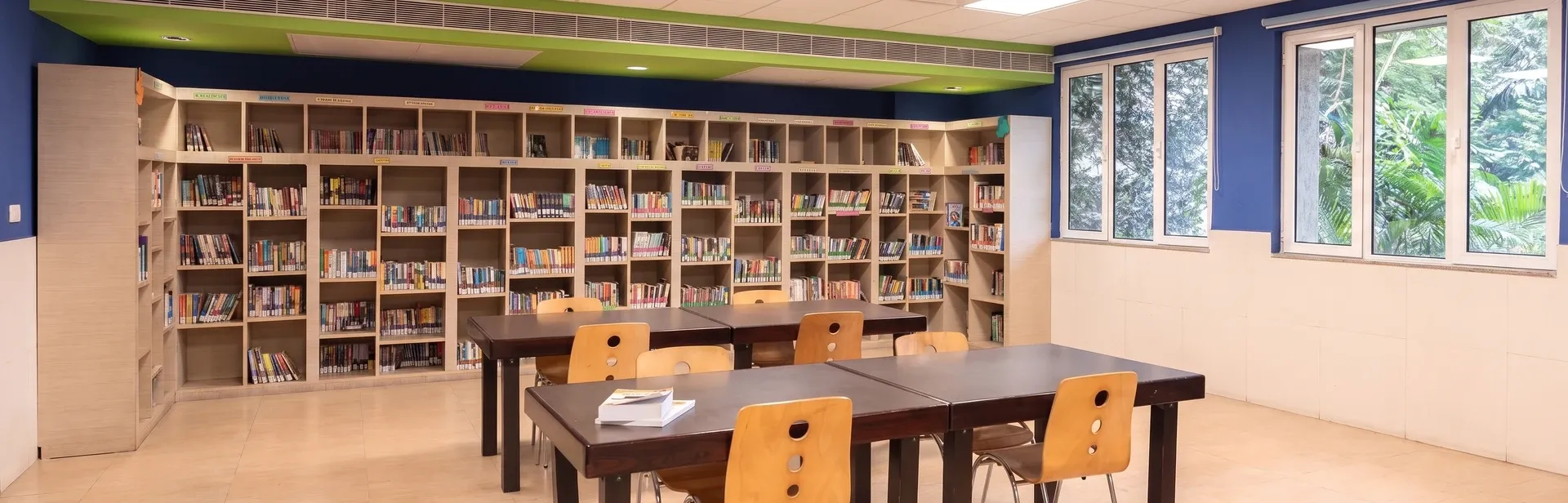
HUS facilities include a library, science labs, computer room, EYP room, art room, Loko Poko Day Care, auditorium, fitness centres, performing arts studios, study lounges, and outdoor play areas. These resources support the full IB continuum and reflect the standards expected of the best international schools in Chennai.
What is campus life like at HUS Chennai?
Campus life at HUS unfolds with views of the Bay of Bengal, near Mahabalipuram. With 5000+ students educated and 98% university placement, the community feels both intimate and globally connected. Multicultural classrooms, ethical grounding, and inquiry-led teaching shape every day.
How do IB schools support student mental health and balance?
HUS embeds wellbeing into the academic calendar through mentorship, fitness centres, performing arts outlets, and small class sizes that ensure every student is known. Counsellors and homeroom teachers support emotional development alongside intellectual growth — core to the school's values of Integrity, Empathy, and Respect.
What extracurriculars are available to IB students in Chennai?
Extracurriculars at HUS span performing arts, fitness, visual arts, and service initiatives. The Performing Arts Studios, Art Room, and Fitness Centres anchor regular activity. CAS gives Diploma students a formal framework for sustained engagement, ensuring extracurricular life enriches the IB diploma experience.
Do IB students have time for sports and hobbies?
Yes sports and hobbies are non-negotiable in the IB diploma model. HUS allocates daily time for outdoor play, fitness, and creative pursuits. The campus's outdoor play areas and fitness centres make this practical, ensuring a day in the life of an IB student remains active and well-rounded.
How does an IB student manage Extended Essay and IAs alongside class?
Diploma students at HUS manage the Extended Essay and Internal Assessments through structured supervision. Teachers guide research questions, library resources support source work, and study lounges enable focused writing. Milestones are spread across two years, so deadlines build skills rather than create crises.
FAQ's
A day in the life of an IB student at HUS combines inquiry-based academics, Theory of Knowledge sessions, CAS engagement, and study time on the OMR campus. Diploma students rotate through six subject groups, while younger learners explore the PYP curriculum. Small class sizes and access to labs, studios, and study lounges shape the daily rhythm.
HUS delivers the full IB continuum — EYP, PYP, MYP, and the IB Diploma Programme — with 5000+ students educated, 98% university placement, and a multicultural community of 9+ nationalities. Located on OMR beside Muttukadu Lake, the school combines authentic IB delivery with world-class facilities, making it a strong choice among the best international schools in Chennai.
The international baccalaureate diploma programme at HUS is academically rigorous, requiring six subjects, Theory of Knowledge, Extended Essay, and CAS over two years. Class sizes are capped at 25, allowing personalised attention. Students develop research skills, critical thinking, and independent inquiry — preparing them for top universities globally.
The PYP curriculum at HUS engages learners aged 6 to 11 through transdisciplinary units of inquiry, capped at 20 students per class. Children explore concepts across subjects, build research habits early, and develop the IB Learner Profile attributes. This foundation prepares them seamlessly for MYP and the IB diploma later.
HUS is located at 5/63, Old Mahabalipuram Road, Opposite Sipcot IT Park, Egattur Village, Kelambakkam – 600130. Admissions for 2025–26 follow four steps: apply online via hus.edu.in, submit documents, participate in campus interaction and visit, then confirm enrollment. Contact admissions@huschennai.in or +91 73580 00736.
HUS supports wellbeing through small class sizes, mentorship from homeroom teachers, fitness centres, performing arts studios, and study lounges. The school's values of Integrity, Empathy, and Respect guide pastoral care. CAS activities also build balance, ensuring the IB diploma experience develops the whole student — not just academic outcomes.